What Is Gold and How Its Purity Affects Your Gold Loan Value
Table of Contents
Introduction
Gold has always held a special place in India, not just as a precious metal but also as a reliable financial safety net. Deeply rooted in culture and tradition, gold is cherished during weddings, festivals, and celebrations, and is passed down through generations. Beyond its emotional value, gold plays a practical role as gold as investment and a source of quick liquidity when needed. One of the most accessible ways to unlock this value is through a loan against gold, where borrowers pledge gold jewellery to receive funds without selling their asset. In this blog, we explore what is gold, how its purity affects loan eligibility and value, and how you can make smarter borrowing decisions.
What Is Gold?
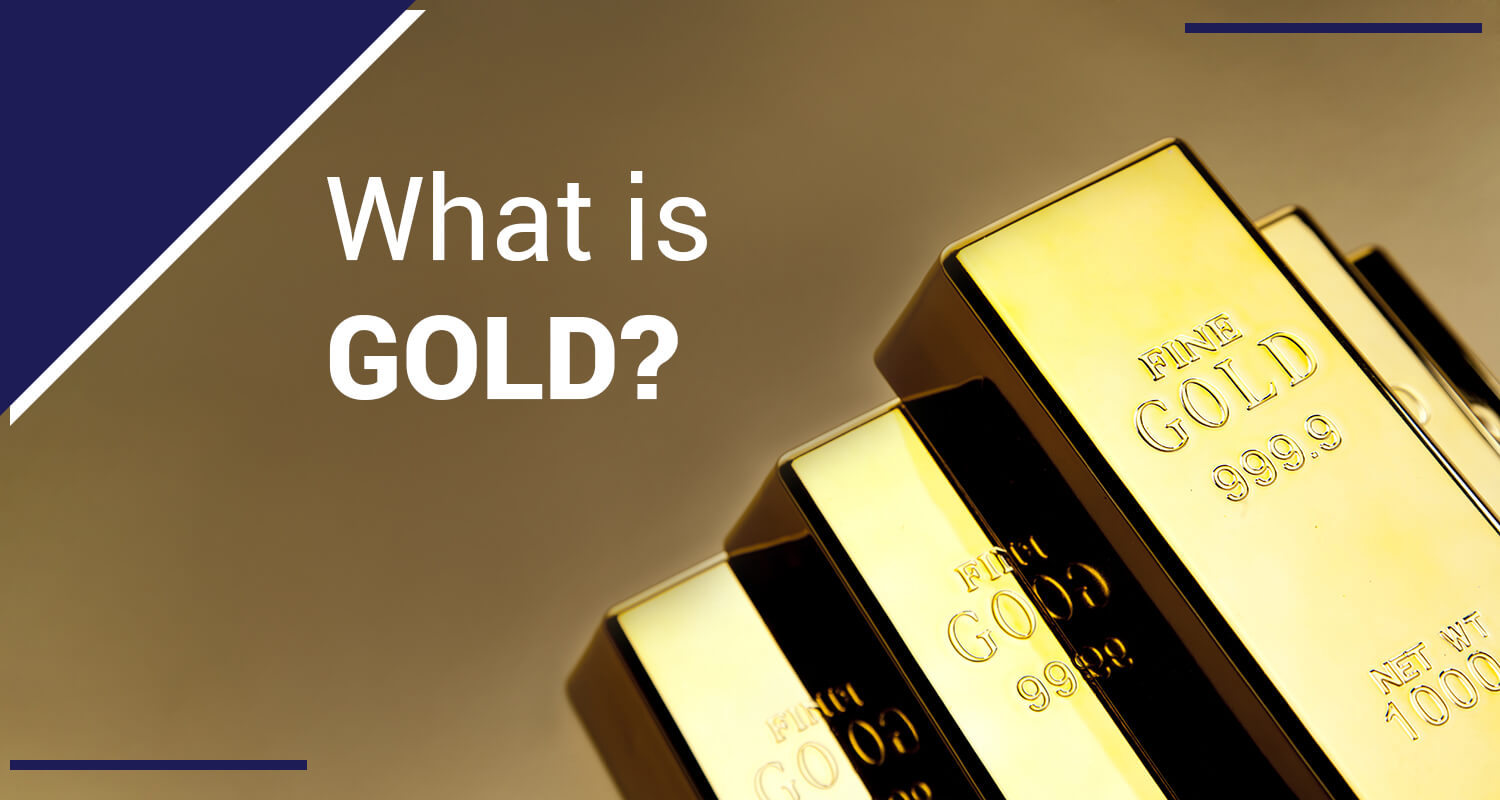
What is gold? At its core, gold is a naturally occurring precious metal known for its yellow appearance, rarity, and resistance to corrosion. It has high conductivity and is highly malleable, which makes it perfect for crafting jewellery, coins, bars, and even electronic components due to its chemical stability. Gold’s scarcity and enduring demand have made it a timeless store of wealth across cultures and economies.
In India, gold holds immense cultural significance. It is a symbol of prosperity, often gifted during weddings and festivals, and considered a form of long‑term financial security. When people think of gold as investment, they often picture both jewellery and pure gold bars or coins. Investors treat gold as a hedge against inflation and economic uncertainties, while jewellery offers emotional value and practical resale potential.
Another key use of gold is to secure funds without parting with the asset. Financial institutions, including banks and NBFCs like IIFL Finance, offer loans against gold schemes that enable quick access to money using your gold jewellery as collateral. These loans have minimal documentation and are approved faster than many unsecured credit options.
Understanding Gold Purity
Gold purity describes how much pure gold is present in an item compared to other metals alloyed with it. This purity determines its market value, durability, and common usage. Because pure gold is very soft, alloys are added to improve strength without significantly compromising value. Purity is measured in carats (K), where higher karats means higher gold content.
24K gold is considered the purest form at 99.9% purity, often used for investment bars and coins. However, it’s too soft for everyday wear. For jewellery, 22K gold, which contains about 91.6% pure gold, strikes a balance between value and durability, making it India’s most popular choice. Lower purities like 18K or 14K reduce gold content further but offer greater strength for intricate or designer pieces.
Gold Purity Comparison
|
Carat |
Purity (%) |
Common Usage |
|
24K |
99.9% |
Coins, bars |
|
22K |
91.6% |
Jewellery |
|
18K |
75% |
Designer pieces |
Knowing gold purity and the difference between 22k and 24k gold helps you understand value, resale trends, and why certain items fetch higher loans or prices.
How Gold Purity Affects Gold Loan Value
When you pledge gold for a loan, lenders first determine how much your asset is worth. One of the key factors in this valuation is purity, higher purity means a higher valuation per gram, which generally leads to a better loan amount. For instance, 24K gold has the highest purity, whereas 22K gold (also known as 916 gold) is slightly less pure, which affects its calculated worth.
Lenders consider the gold valuation by assessing weight and purity. Only the pure gold content is counted; stones or decorative elements are deducted. Certified purity, especially with BIS hallmarking, makes this process quicker and more accurate. After valuation, lenders apply the Loan‑to‑Value (LTV) ratio, which is the percentage of gold’s appraised value that can be lent. As per RBI norms, lenders typically offer up to 75% of the gold’s market value as a loan, though actual LTV may vary by lender and loan size.
For example, if you pledge 50 g of 22K jewellery when the gold rate is ₹6,000 per gram, the pure gold value becomes roughly ₹6,000 × 0.916 × 50. With a 75% LTV, the eligible loan amount is then calculated on this adjusted value.
Purity testing is done using XRF analyzers or other certified tools, ensuring accurate results. Higher purity means a stronger valuation and potentially a larger loan, making gold quality a key consideration when planning borrowing.
Why IIFL Finance Offers Better Value for Your Gold
Choosing a trustworthy lender can make a significant difference in borrowing against gold. As an NBFC gold loan provider, IIFL Finance focuses on transparency, efficiency, and borrower convenience. One of the main gold loan benefits is fast approval, minimal documentation and streamlined processes allow quicker access to funds compared to traditional unsecured loans.
IIFL Finance also offers secure storage and valuation of your pledged gold through certified experts, helping ensure accurate assessment and fair pricing. Competitive best gold loan rates and flexible repayment options, including online payment facilities, enhance the overall experience. Whether you need short‑term liquidity or planned financing, these features help you manage your financial needs without unnecessary delays.
If you want to explore your options, check your gold’s value today and apply for a gold loan online to see how much you can borrow.
Tips to Maximize Your Gold Loan Value
To ensure you get better experience or an idea when availing a gold loan:
- Always prefer hallmarked jewellery, as certified purity speeds up valuation and improves loan confidence.
- Compare LTV ratios and interest rates across lenders to secure better terms.
- Stay informed on daily gold rate trends so you borrow when valuations are favourable.
- Choose a trusted NBFC with transparent evaluation, good valuation methods often lead to higher sanctioned amounts.
These simple steps help you optimize your borrowing power and make your gold work harder for your financial needs.
Conclusion
Gold serves a dual purpose: it is both an emotional symbol and a practical financial tool. Understanding the link between gold purity and loan value is key to making informed decisions when borrowing. High‑purity jewellery like 22K or 24K fetches better valuation and shapes your gold loan eligibility and eventual loan amount. With the right lender, you can access quick funds while benefiting from secure storage and transparent processes.
If you’re considering unlocking the value in your jewellery, take the time to assess its purity, compare offers, and choose a lender that aligns with your needs. Ready to explore your options? Apply for a gold loan online and discover how much you can borrow against your gold today.
Frequently Asked Questions
How is gold valued for a gold loan?
Prior to being utilised for a gold loan, gold is assessed for quality and purity. Its chemical properties and long-term stability define its worth, making it a desirable substance. Gold's unique metallic sheen and yellow hue convey its scarcity and appeal. Lenders use this inherent value to assess the value of the gold pledged, which in turn affects the loan amount given depending on the state of the market.
Is gold price based on pure gold?
The qualities of gold and market variables affect its price. The chemical element known as gold, represented by the symbol Au, is renowned for its remarkable malleability, ductility, and stability. It is highly prized for its distinctive lustre and resistance to corrosion. The market determines its price in part because of its scarcity and broad cultural and economic significance.
Are all types of gold jewellery accepted for gold loans?
Not all gold jewellery is automatically accepted. Lenders generally accept hallmarked gold jewellery with sufficient purity, usually 18K and above, including alloyed forms. Alloying is common to improve durability, but damaged, broken, or non-standard jewellery may be rejected. The value of the gold is assessed based on weight and purity, regardless of design.
What is the highest interest rate on the gold loan?
Gold loan interest rates vary depending on the lender, loan tenure, Loan-to-Value (LTV) ratio, and the borrower’s repayment history. Higher rates may apply for riskier loans, higher LTVs, or specific loan schemes, while standard loans are priced to balance borrower affordability and lender risk.
Can I pay a gold loan before ending the tenure?
Yes, you can repay a gold loan anytime before the tenure ends, either partially or fully. Paying early can reduce your overall interest cost since interest stops accruing once the loan is closed. According to the RBI’s new guidelines effective January 1, 2026, lenders cannot charge foreclosure or pre‑payment penalties on floating‑rate loans taken by individuals for non‑business purposes, giving borrowers more flexibility and saving on extra charges.
Disclaimer : The information in this blog is for general purposes only and may change without notice. It does not constitute legal, tax, or financial advice. Readers should seek professional guidance and make decisions at their own discretion. IIFL Finance is not liable for any reliance on this content. Read more