What Is Black Gold? Meaning, Purity & Loan Eligibility
Table of Contents
Black gold, in the Indian jewellery context, does not refer to a naturally occurring form of gold but is a treated or coated variation of regular gold designed for a unique, modern look. It is created using advanced techniques such as alloying gold with metals like cobalt or applying black rhodium or ruthenium plating to achieve its distinctive appearance.
The base metal used in black gold jewellery is still gold, and its value depends on the underlying purity. This guide explores what black gold means, its purity, how it is made, and its loan eligibility in India.
What Is Black Gold?
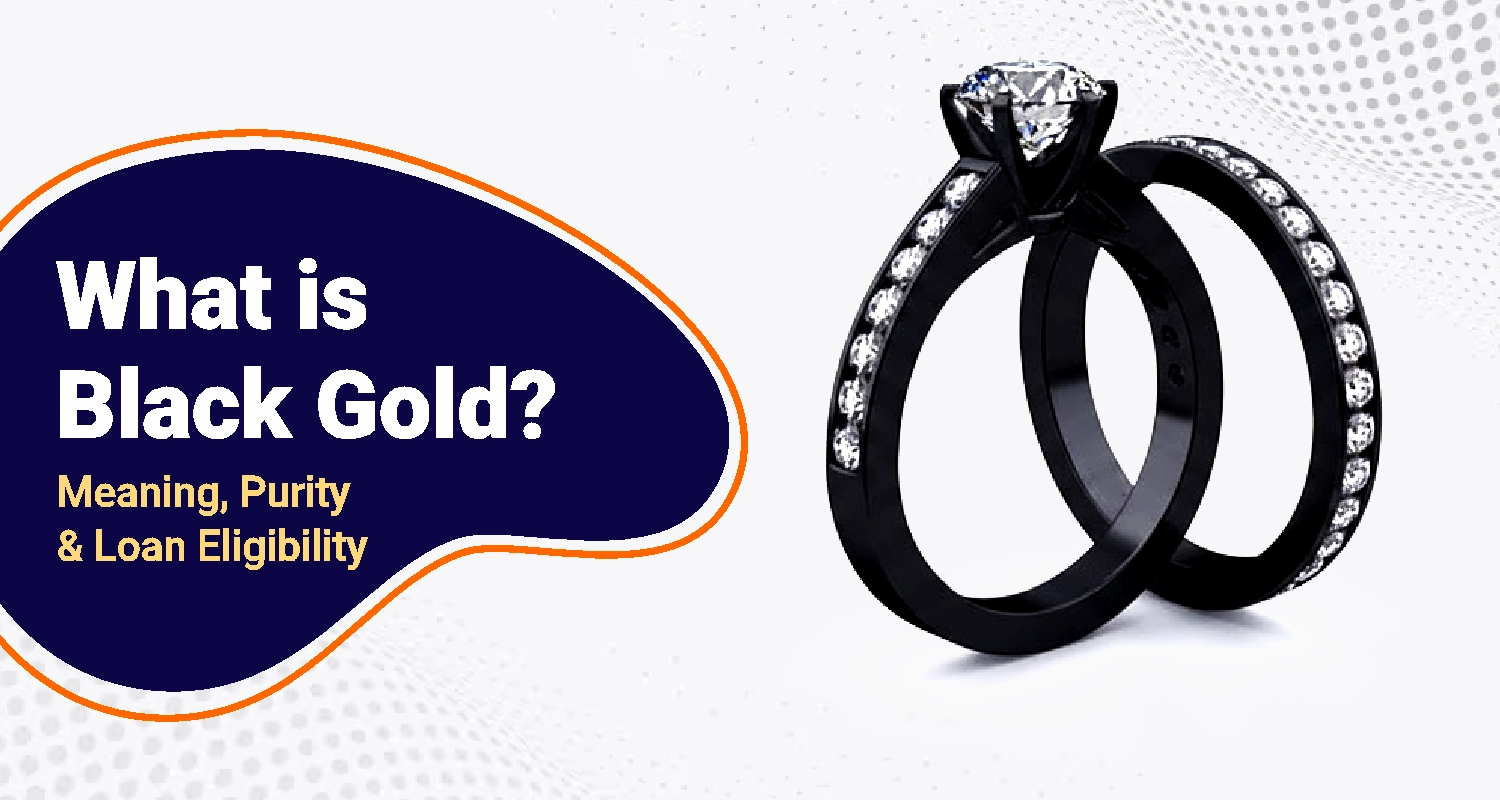
What is black gold? It refers to gold that has been treated to achieve a deep, dark finish, unlike the traditional yellow or white tones. In jewelry, black gold means a luxurious and modern version of gold created through processes such as rhodium plating, alloying, or surface treatments that result in a rich black sheen.
Interestingly, what is called black gold and what is known as black gold can differ based on context. Globally, the term also describes petroleum or crude oil due to its dark appearance and high economic value. In India, however, the jewelry industry uses it to describe gold that has undergone specialized treatments for its black finish, not oil or minerals.
The phrase originated as a metaphor for wealth-generating resources, but in jewelry, it now stands for sophistication, style, and innovation.
How Is Black Gold Made: Methods & Technology
What is black gold and how is it created? The production of black gold jewellery combines craftsmanship with advanced metallurgy. Several modern techniques are used to achieve its distinctive, dark appearance in India and across the world. The process varies depending on the finish, durability, and aesthetic desired.
Alloying Technique (Mixing Yellow Gold with Cobalt or Copper)
This method involves blending yellow gold with metals like cobalt or copper in specific ratios. The alloy forms a natural blackish tone without additional coating. It is usually applied to 18K gold for better strength and consistent color.
Electroplating With Black Rhodium or Ruthenium
Black gold production occurs through electroplating black rhodium or ruthenium onto yellow gold using this standard method. The process creates a deep glossy finish which makes it popular for use in rings and pendants and high-end designer jewelry.
Laser Treatment for Durable Black Finish
The microstructure of gold undergoes changes through laser technology which produces a dark color and improved resistance. It creates a permanent, wear-resistant surface ideal for luxury pieces.
Oxidation Process (Less Common)
This method uses controlled oxidation to form a dark patina. While mostly artistic, it’s less uniform and durable compared to other techniques. However, it is often used by niche jewellery designers who prefer a handcrafted, rustic look that sets each piece apart.
Across all these methods, black gold in India is gaining popularity for its bold style and fusion of tradition with innovation.
Characteristics & Purity of Black Gold
Black gold means more than just an aesthetic choice. It’s a modern form of gold that maintains the same intrinsic value as traditional gold. The black gold purity depends on the base metal used, typically 18K or 22K gold. The dark finish is achieved through plating or alloying, but the underlying gold karat remains unchanged.
In India, hallmarked black gold in India jewellery follows the same BIS certification standards as yellow or white gold. The treatments applied affect only the surface and appearance, not the internal gold content. However, since plating can wear off over time, the external look may slightly influence resale value or appraisal.
The table below compares purity and durability across gold types:
|
Gold Type |
Typical Purity |
Treatment Type |
Durability |
Lustre Retention |
|
Yellow Gold |
22K / 24K |
None |
High |
Natural warm tone |
|
White Gold |
18K / 22K |
Rhodium-plated |
Medium |
Bright white finish |
|
Black Gold |
18K / 22K |
Rhodium / Ruthenium / Alloy-treated |
High |
Matte to glossy |
While black gold purity is identical to its base gold, regular care ensures longevity and sustained brilliance.
Black gold’s growing popularity reflects a balance of heritage and innovation. Its ability to combine the strength of traditional gold with the allure of a dark, modern finish makes it a preferred choice among contemporary jewellery buyers in India seeking both style and substance.
Maintaining & Cleaning Black Gold Jewellery
Proper black gold jewellery maintenance is essential to preserve its bold and elegant finish. Use mild soap with warm water and a soft cloth to clean the item. Place each item in a protective soft-lined box to stop them from getting scratched. Use a microfiber cloth to wipe down the item after each use for dust and oil removal.
Do’s:
- Clean with mild soap, warm water, and a soft cloth.
- Store separately in a soft-lined box to prevent scratches.
- Wipe with a microfiber cloth after each use to remove dust and oils.
Don’ts:
- Avoid abrasive cleaners or ultrasonic machines.
- Keep away from harsh chemicals, perfumes, or chlorine.
- Do not polish roughly, as it can wear down the plating.
If the surface begins to fade, professional black gold replating restores the original look. Trusted jewellers in India offer black gold cleaning services and electroplating to bring back the shine. Replating every 6 to 12 months is commonly recommended depending on wear.
Black Gold Price Trends in India
The price of black gold in India is not fixed separately like traditional gold, as it is essentially regular gold that has been treated or coated to achieve a black finish. Therefore, the black gold price primarily depends on the underlying gold purity (such as 18K or 22K) and the prevailing market rate of gold.
In recent trends, gold prices in India have remained elevated due to global economic factors and domestic demand. As a result, the base value of black gold jewellery also reflects these higher price levels. However, unlike standard gold jewellery, the final price of black gold includes additional costs such as design complexity, coating or plating charges, and making charges, which may vary across jewellers.
It is important to note that the black coating (rhodium or other treatments) does not add intrinsic gold value. The resale or loan value is usually calculated based on the net gold content and purity, not the design or finish.
Loan Eligibility Using Black Gold Jewellery with IIFL Finance
Your black gold jewellery is more than a fashion statement. It also offers a powerful opportunity for financial leverage. With IIFL Finance’s gold-loan scheme, you can explore loan eligibility using black gold jewellery, just like traditional gold, because the underlying karat value remains intact.
Here’s how it works. IIFL Finance offers loans up to 75% of the market value of your pledged jewellery. When you bring your 18K or 22K black gold jewellery, it undergoes valuation based on its weight, purity and average gold rate.
Age eligibility is 18 to 70 years, and income proof is mostly not required.
Documentation Required
- Original hallmarked black gold jewellery you own.
- Valid ID & address proof (such as Aadhaar, PAN).
- Visit a branch or book a home-valuation appointment online.
Advantages of choosing IIFL Finance for Gold Loan
- Attractive interest rates starting from 9.72% p.a. (≈0.81% per month) for gold loans.
- Seamless process with minimal documentation.
- Nationwide strong network with 3000+ branches
With IIFL Finance, you can easily check black gold in India loan eligibility online or at your nearest branch. Apply today to unlock the financial potential of your jewellery and experience a trusted, transparent, and seamless loan process.
IIFL Finance stands out for its digital innovation, customer-centric service, and strong security practices. With nationwide presence in 1500+ cities and a commitment to fairness, integrity, and transparency, it continues to be one of India’s most trusted financial growth partner for gold-loan services.
Conclusion
Black gold has emerged as a modern and stylish variation of traditional gold, offering a unique aesthetic appeal in jewellery. However, when it comes to value, the black gold price is primarily driven by the underlying gold purity rather than its distinctive colour or finish.
While black gold jewellery may carry higher making and design charges, its intrinsic worth depends on the actual gold content used. This makes it important for buyers to understand that the visual appeal does not necessarily translate into higher financial value, especially in contexts like resale or gold loans.
Overall, black gold is best suited for those looking for contemporary designs, while keeping in mind that the black gold price is closely linked to standard gold rates and purity levels. Making informed decisions based on purity and purpose can help buyers balance both style and value effectively.
Frequently Asked Questions
What is black gold jewellery made of?
Black gold jewellery is crafted from yellow gold that has been treated to achieve a deep black finish. This is done by plating it with metals like rhodium or ruthenium or by mixing alloys such as cobalt. The base remains 18K or 22K gold, ensuring lasting purity and value.
Is black gold more expensive than yellow gold?
In terms of material, the gold value is the same. However, the additional plating and craftsmanship make black gold slightly more expensive than traditional yellow gold. The unique finish and contemporary appeal also add to its premium pricing.
What is the purity of black gold in karats?
The black gold purity typically ranges between 18K and 22K. The surface treatments used to create the black finish do not change the gold content or karat value.
How to check the authenticity of black gold?
Look for BIS hallmark certification, karat stamp (18K or 22K), and jeweller’s authentication. You can also verify through XRF purity testing at a certified gold centre in India.
What factors affect the resale or loan value of black gold?
- Purity and weight of the base gold
- Current market gold rate
- Presence of hallmark and certification
- Condition of the surface plating
Can black gold be used to get a gold loan in India?
Yes. As long as the core is hallmarked gold, it is eligible for gold loans. Institutions like IIFL Finance determine the value based on purity and weight, not the surface colour or plating.
How often does black gold need replating?
Professional black gold replating every 6–12 months helps maintain its appearance. Factors such as wear frequency and exposure to chemicals can influence how soon replating is required.
Does black gold lose value over time compared to traditional gold?
No. Its intrinsic gold value remains constant. While the plating may fade, the jewellery’s underlying worth is based on gold purity, which does not depreciate. Regular black gold cleaning and maintenance help preserve its finish and overall value.
Disclaimer : The information in this blog is for general purposes only and may change without notice. It does not constitute legal, tax, or financial advice. Readers should seek professional guidance and make decisions at their own discretion. IIFL Finance is not liable for any reliance on this content. Read more